
Bridging Research and Business to Build a Sustainable Future in Agriculture │Yngvi Bio
How do you move from groundbreaking science to creating a business? Meet Yngvi Bio, a spin-out from the University of Copenhagen. By harnessing proteins found in nature, the company hopes to replace chemical pesticides with natural, sustainable solutions. Along the way, the founders are discovering what it means to balance research with entrepreneurship – and to keep believing in an idea, even when the path forward is uncertain.
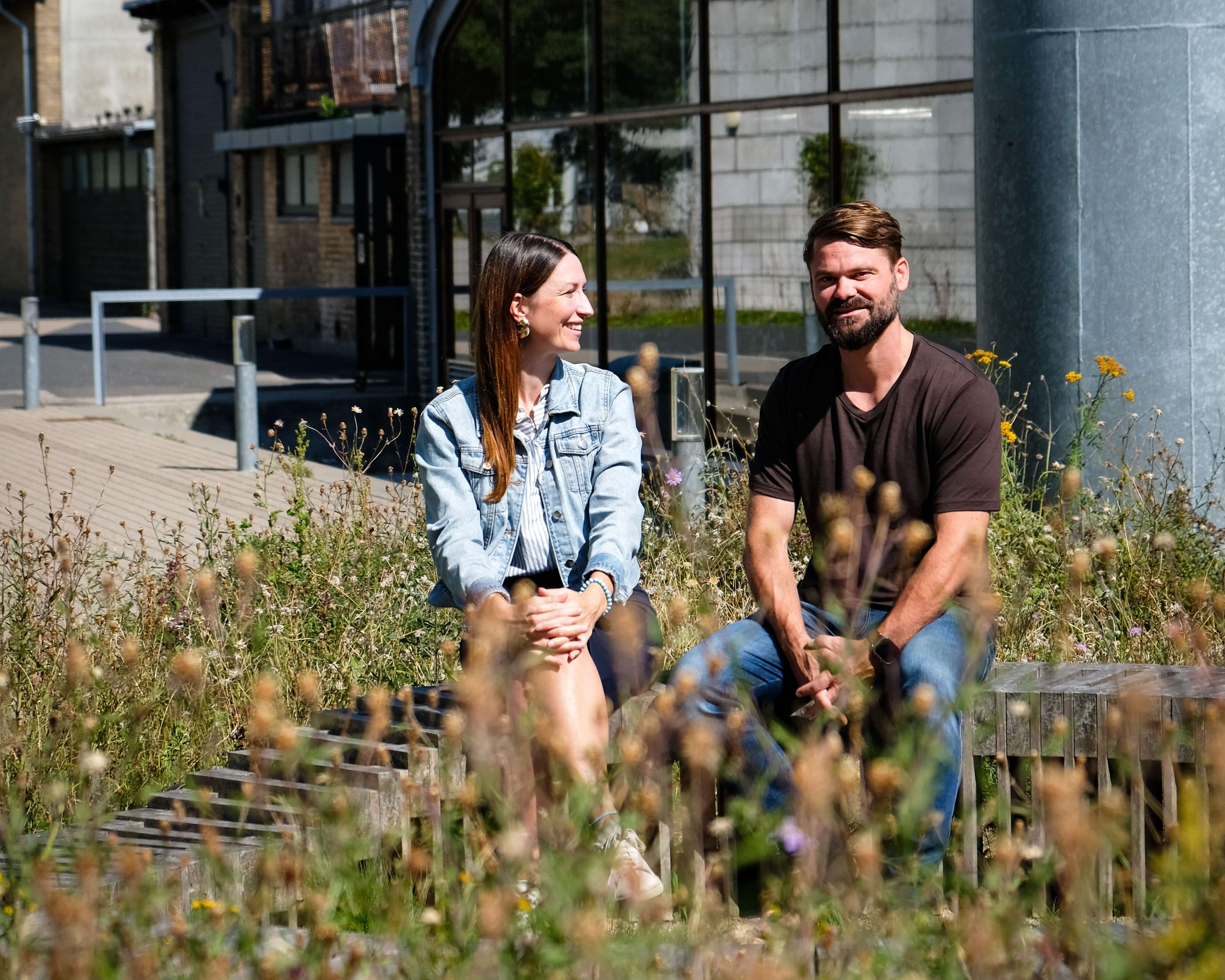
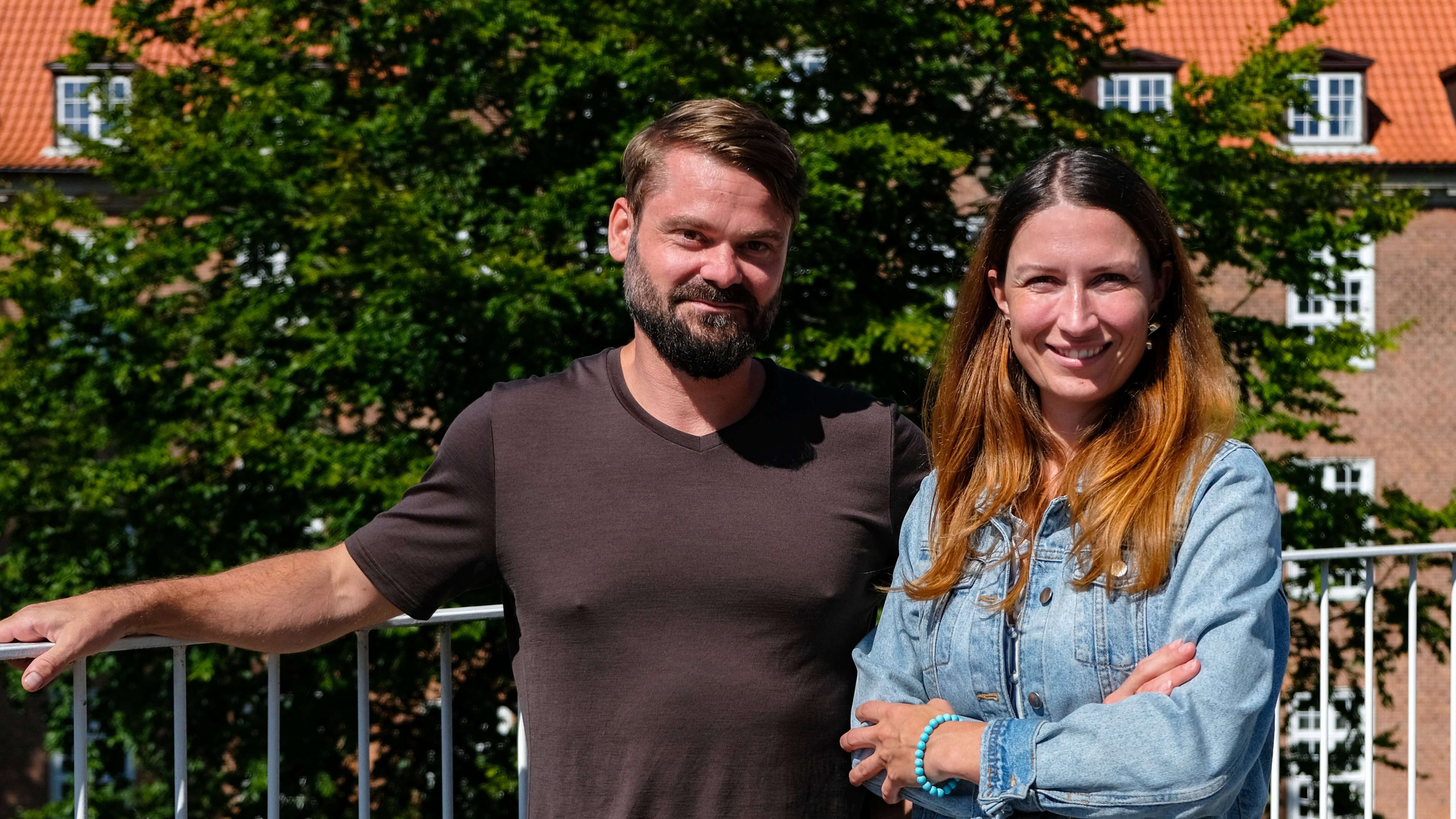
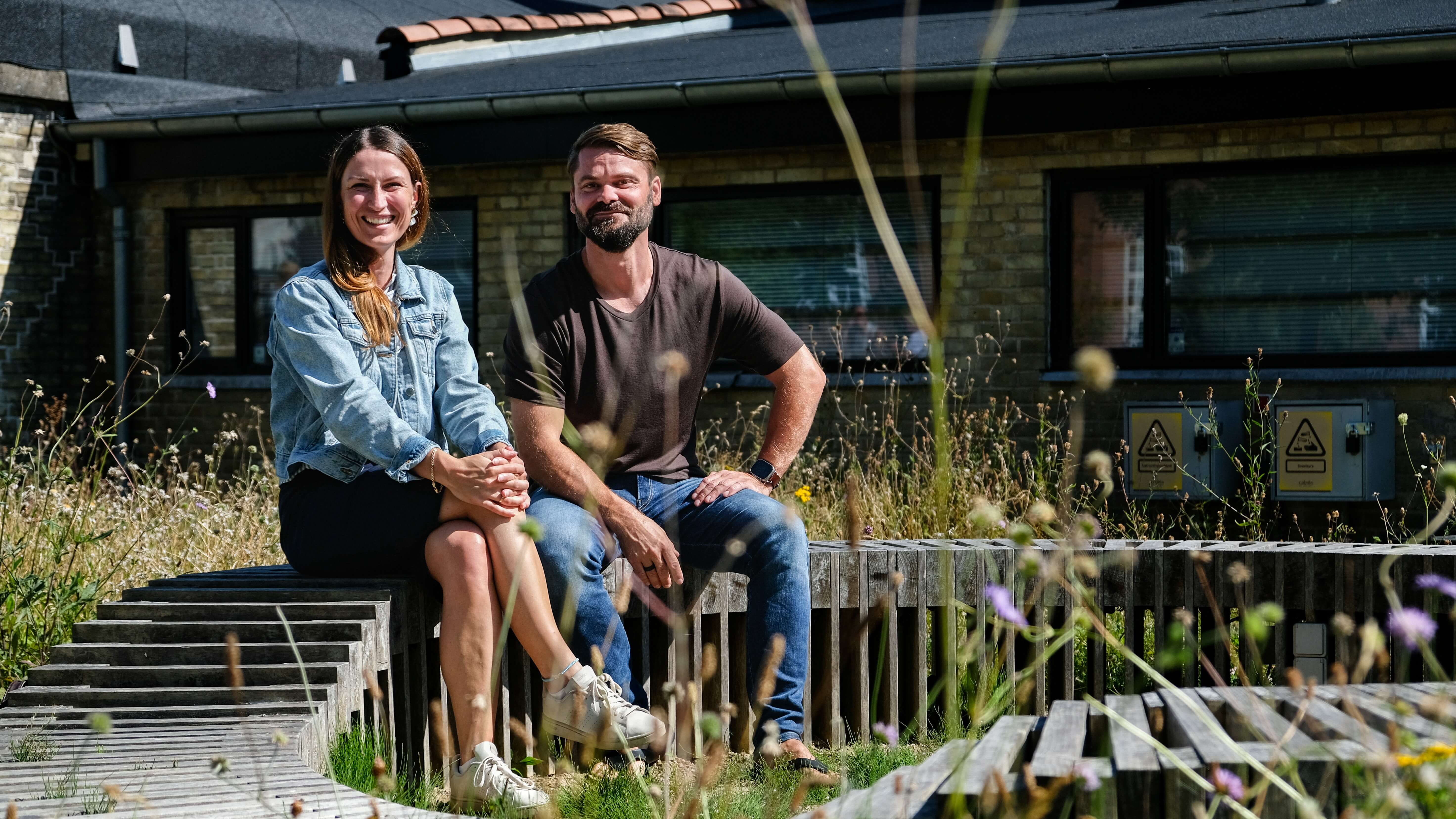
Behind Yngvi Bio are two researchers who embody what happens when different academic fields meet to create new solutions. Kenneth Veland Halberg is a professor at the Department of Biology. His research has long focused on insects, genetics and molecular biology. Eva Maria Rebrova comes from another corner of the life sciences. A protein scientist with a background in human health, she has worked on targeted drug delivery – the ‘Holy Grail’ of biomedicine, where medicines can be designed to attack cancer cells with precision while leaving healthy ones untouched.
It was only when Eva read about Kenneth’s work that she reached out. Soon the two realised that their combined expertise could open a completely new path: protein-based pesticides that are as precise as targeted medicines.
A vision for a sustainable future
At the heart of Yngvi Bio lies a bold ambition: to replace chemical pesticides with protein-based alternatives. The vision is nothing less than to change the way we protect crops – making food production more efficient while safeguarding soil, water and biodiversity.
“It’s clear to everyone, even politicians, that the way we use pesticides today is unsustainable,” Kenneth notes. “But there aren’t many good alternatives. Our goal is to be one of the solutions.”
Replacing all chemical pesticides may be out of reach, but even small steps can make a big difference. “Every reduction in chemicals is a step toward a better future,” Eva says. “That’s the change we want to create – for our children, for our water, and for the soils we depend on.”
From invention to spin-out
Bridging the gap between groundbreaking research and a viable business is not straightforward. Even with promising prototypes, navigating complex regulation and convincing investors requires more than good science. The first step was filing an invention disclosure at the University of Copenhagen – a process that Eva remembers as slow and sometimes frustrating. But it also marked the beginning of their relationship with KU Lighthouse, which later became an important ally.
Through the Spin-outs Denmark programme, for which they were headhunted by one of KU Lighthouse’s innovation advisors, Eva and Kenneth received 18 months of funding to test the collaboration and mature the technology. That stepping stone eventually led them into the BioInnovation Institute, where Yngvi Bio officially launched. “Without that support, we simply wouldn’t be here,” Eva says.
The power of network
For Eva and Kenneth, the steep learning curve has highlighted the importance of flexibility and teamwork. “You need to stay focused, but also adapt when things change,” Eva reflects. And crucially, you cannot do it alone. Combining expertise in protein design and insect biology has allowed the founders to build a complete pipeline – but collaboration goes far beyond their own team.
Networking has proven to be a lifeline. Opportunities and solutions often come from conversations with others in the same boat: how to structure a grant application, how to plan field trials, or how to approach investors. “We benefit a lot from the BioInnovation Institute and KU Lighthouse, and programmes like Spin-outs Denmark” Eva explains. “Being surrounded by other startups who are facing similar challenges is invaluable. We ask each other questions, share advice, and give constructive feedback.”
Advice to future founders
Asked what advice they would give others thinking about spinning out from university, the two are quick to respond. “Trust the process,” Kenneth says. “Nobody has all the answers. Keep doing your best, keep believing in your idea, and stay excited.
Failure,” they add, “is not something to be afraid of. It’s a business experiment. As researchers, we’re used to experiments failing all the time. If this one doesn’t succeed, you still gain experience, networks and insights that you can take with you to the next idea.”
Their final message is one of encouragement: if you have an idea, don’t be afraid to reach out and test it. “It will be hard work,” Kenneth admits. “But it’s also incredibly exciting to see something you discovered in the lab grow into a real-world solution.”
Topics
Contact
E-mail: Info@yngvi.bio
Website: https://www.yngvi.bio